DIY Eco-Friendly Organizers
Create beautiful, functional organizers using materials you already have. Simple projects that make a big impact on your home organization.

Cardboard Organizers
Step 1: Gather Materials
Collect sturdy cardboard boxes, scissors or box cutter, ruler, pencil, and decorative paper or fabric (optional).
Step 2: Measure and Cut
Measure the space where your organizer will live. Cut cardboard pieces to create dividers and compartments based on your needs.
Step 3: Assemble
Use non-toxic glue or tape to secure dividers in place. Create a grid system for drawers or a tiered system for shelves.
Step 4: Decorate (Optional)
Cover with decorative paper, fabric, or paint with eco-friendly paint to match your decor. This extends the life and improves the appearance.
Eco-Friendly Tip: Use cardboard from shipping boxes or food packaging. When it wears out, it's fully recyclable.
Fabric Bins
Step 1: Choose Fabric
Select natural fibers like cotton, linen, or canvas. Old clothing, curtains, or tablecloths work perfectly for this project.
Step 2: Create Pattern
Cut fabric into rectangles. For a standard bin, you'll need: one base piece, four side pieces, and optional lining fabric.
Step 3: Sew Together
Use a sewing machine or hand stitch to join pieces. Reinforce corners for durability. Add handles if desired.
Step 4: Add Structure
Insert a cardboard base or use interfacing to help the bin maintain its shape. This is especially important for taller bins.
Eco-Friendly Tip: Use fabric scraps or repurpose old textiles. Natural fibers are biodegradable and sustainable.
Pallet Shelving
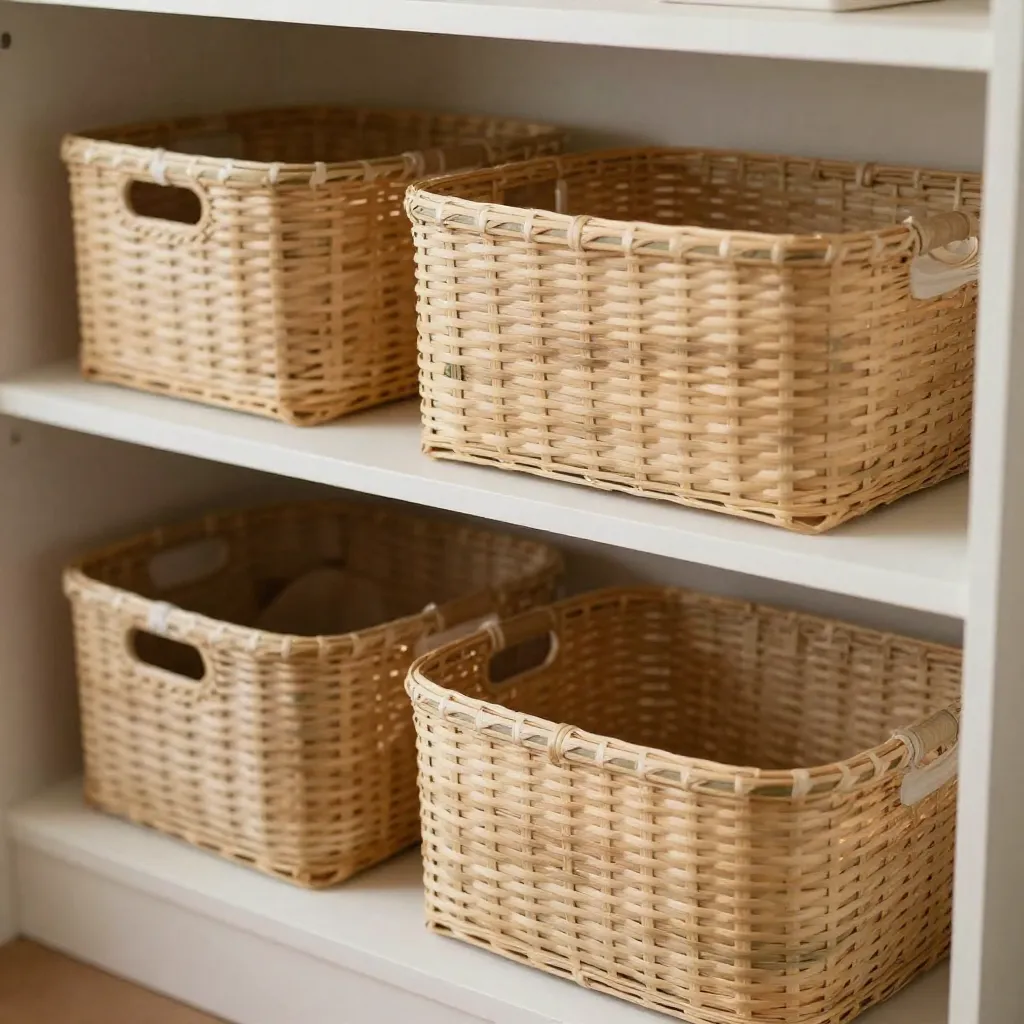
Step 1: Source Pallets
Find pallets from local businesses (always ask permission). Look for pallets marked "HT" (heat treated) rather than chemically treated ones.
Step 2: Disassemble Carefully
Use a pry bar and hammer to carefully remove boards. Sand all surfaces to remove splinters and rough edges.
Step 3: Design Layout
Plan your shelf dimensions. Common designs include wall-mounted shelves, freestanding units, or corner shelves.
Step 4: Assemble and Finish
Use wood screws to secure boards. Apply natural wood finish or eco-friendly paint. Mount securely to wall studs for safety.
Eco-Friendly Tip: Pallets are often discarded after single use. Repurposing them prevents waste and creates unique furniture.
Repurposed Jars & Containers
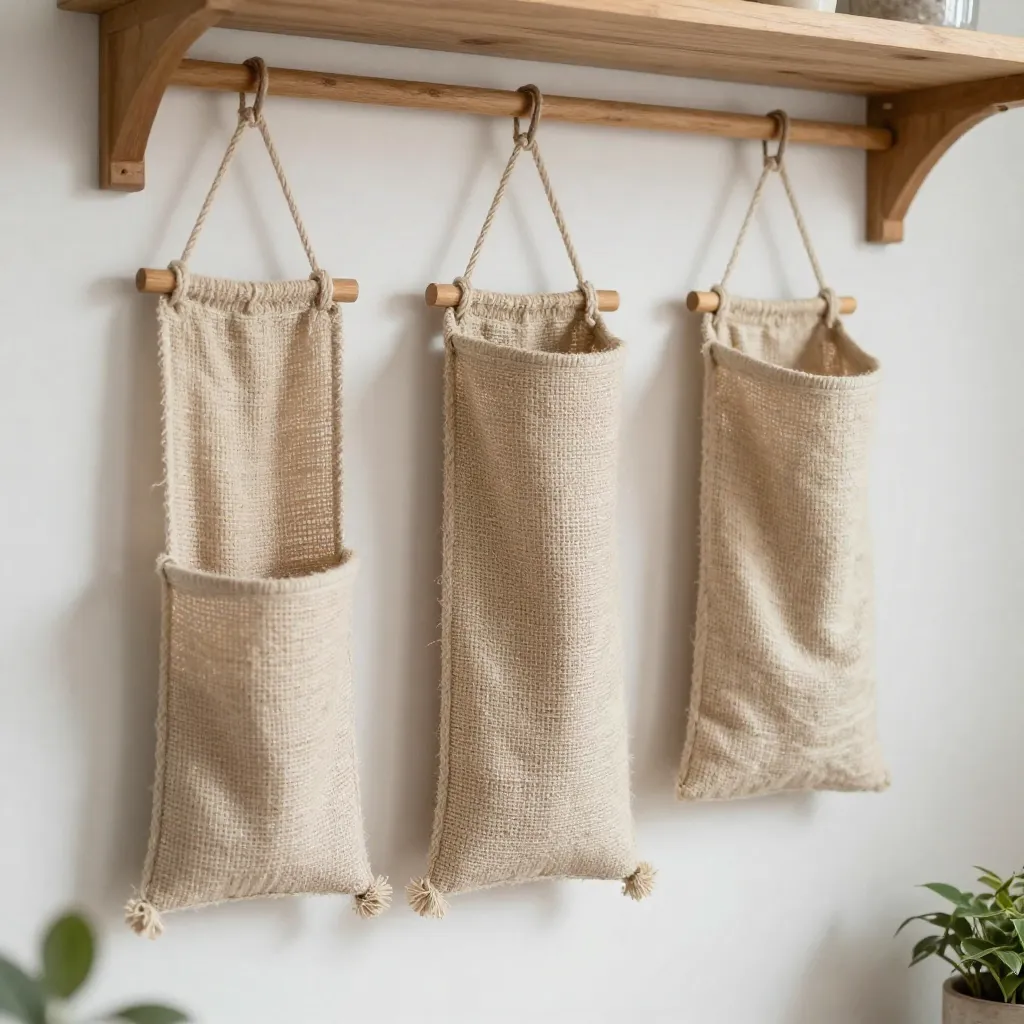
Step 1: Collect Containers
Save glass jars, tin cans, and other containers from your kitchen. Clean thoroughly and remove labels.
Step 2: Remove Labels
Soak in warm soapy water, then use a scraper to remove labels. For sticky residue, use natural oils like coconut or olive oil.
Step 3: Decorate (Optional)
Paint lids with eco-friendly paint, add labels with chalkboard paint, or wrap with twine for a rustic look.
Step 4: Organize by Category
Group similar items together. Use jars for pantry items, craft supplies, or bathroom essentials. Label clearly for easy access.
Eco-Friendly Tip: Glass and metal containers are infinitely recyclable. Repurposing extends their useful life before recycling.
Wall-Mounted Hooks
Step 1: Choose Material
Use reclaimed wood, branches, or metal hooks. Natural materials like driftwood or fallen branches add character.
Step 2: Prepare Surface
Sand wood surfaces smooth. For branches, remove bark if desired and seal with natural wood finish.
Step 3: Install Hooks
Attach hooks using screws appropriate for your wall type. For heavy items, ensure hooks are anchored in wall studs.
Step 4: Arrange Strategically
Place hooks where they'll be most useful: entryways for keys and bags, bathrooms for towels, kitchens for utensils.
Eco-Friendly Tip: Use natural materials found locally. This reduces transportation impact and supports local ecosystems.
Eco-Friendly Tool Tips
Choose Natural Adhesives
Use water-based glues, natural wood glue, or homemade paste from flour and water instead of synthetic adhesives.
Use Low-VOC Paints
Select paints with low volatile organic compounds (VOCs) or natural alternatives like milk paint or chalk paint.
Repurpose Before Buying
Check what you already have before purchasing new materials. Many projects can be completed with existing items.